In the era of dropshipping, consumers expect a faster, more accurate, and smoother shopping experience. Achieving this experience requires an efficient logistics fulfillment system. For brands looking to launch online stores, choosing a suitable 3PL fulfillment center can both save costs and enhance brand competitiveness.
This article will provide a comprehensive understanding of how it works and why brands need it.
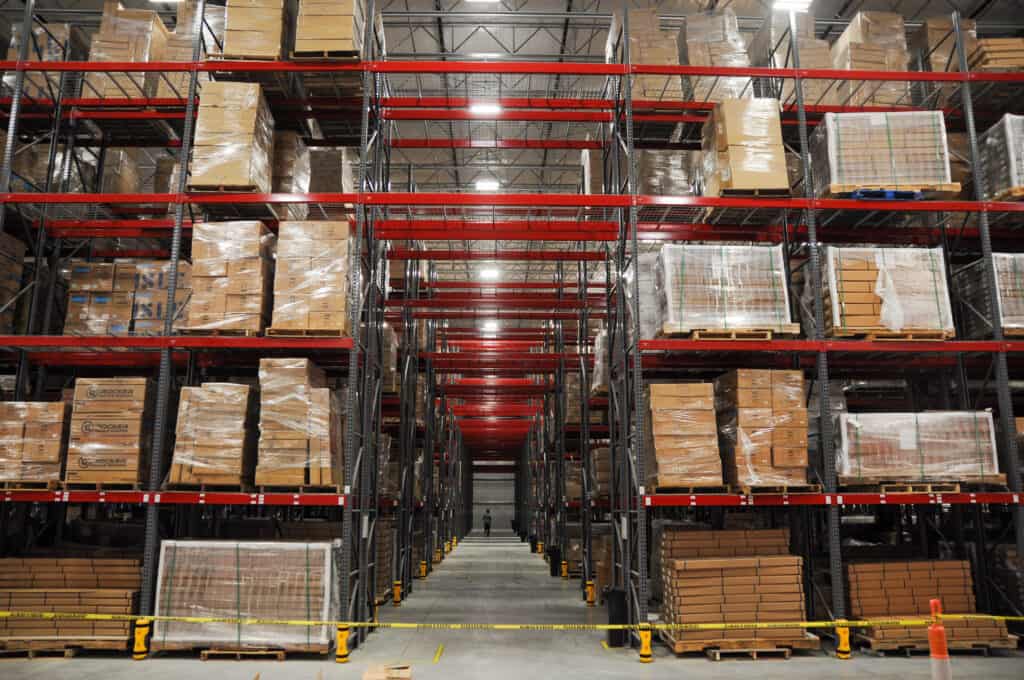
Core Functions of a 3PL Fulfillment Center
A mature 3PL fulfillment center typically provides the following key services:
Inventory Management
The 3PL system synchronizes inventory data in real time, automatically updating various sales platforms (such as Shopify, Amazon, and WooCommerce), preventing oversells and stockouts.
Order Fulfillment
From order generation to shipping, the system automatically assigns tasks to warehouse staff, reducing manual errors.
Pick and Pack
Systems such as barcode scanning and smart shelving are often used to ensure high-accuracy picking. Packaging can also be customized to meet brand needs, enhancing the brand experience.
Shipping Solutions
A 3PL selects the optimal shipping channel based on factors such as the order’s destination and package weight, achieving a balance between cost and timeliness.
Return Management
A comprehensive reverse logistics system helps brands efficiently handle returns and improve customer satisfaction.
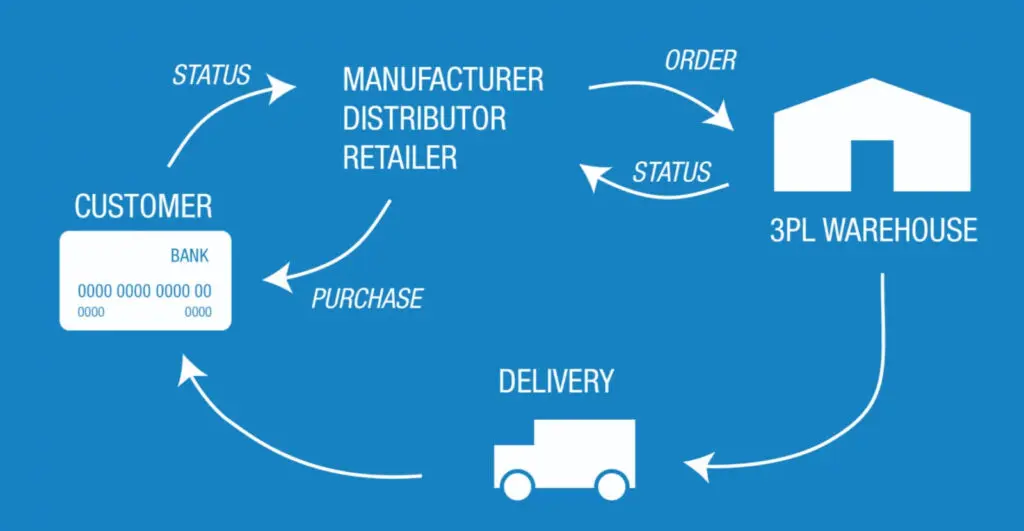
Mar shampla, when a customer places an order on your store, the order information is automatically transmitted to a 3PL center. This center will pick, pack, label, and ship the product via a partnered courier. The entire process is automated, eliminating the need for the brand to handle it themselves.
This model is particularly suitable for:
- Teams that want to focus on brand building and marketing;
- Brands experiencing rapid e-commerce order growth;
- Small and medium-sized direct-to-consumer businesses that lack in-house warehousing capabilities.
Why do Brands Choose a 3PL Fulfillment Center?
Compared to building their own warehouse, outsourcing to a 3PL offers the following distinct advantages:
Reduced costs and risks
No need to invest in warehouse rental, labor, or system development costs. 3PLs charge based on actual orders, offering greater flexibility.
Improve operational efficiency
3PLs typically have automated warehousing systems and mature operational processes, resulting in significantly faster and more accurate delivery than in-house operations.
Improve customer experience
Fast shipping, accurate tracking information, and comprehensive after-sales service are all key to enhancing brand reputation.
Focusing on the core brand value
Brand teams can focus more time on product development, marketing strategies, and customer service, rather than logistics.
So, which brands are best suited for a 3PL fulfillment center?
- Direct-to-consumer brands: prioritize customer experience, branded packaging, and fast delivery.
- E-commerce startups: seek lower warehousing and operational barriers.
- Brands with seasonal products: 3PLs offer the flexibility to accommodate order fluctuations and reduce off-season costs.
How can We Measure the Effectiveness of A 3PL Partnership?
Order accuracy
The percentage of orders shipped correctly out of all orders. Ideally, this should be greater than or equal to 99.5%. This directly impacts customer satisfaction and return rates. Frequent misdeliveries, missed shipments, and other issues indicate issues with picking and system processes.
Accurate delivery rate
The percentage of orders delivered to customers within the promised timeframe, ideally above 98%. This measures the 3PL’s capabilities in transportation scheduling, warehouse operations, and logistics partner management.
Per-order fulfillment cost
The average cost per order, from warehousing, picking, to shipping, measures whether the 3PL has truly achieved cost reduction and efficiency improvement. As order volume increases, unit fulfillment cost should gradually decrease.
Inventory turnover rate
The frequency with which inventory items are sold within a given period. A high turnover rate indicates efficient inventory management and effective storage space utilization; a low turnover rate may indicate unsold items or delayed replenishment.
Return processing efficiency
The average time from customer return initiation to refund/exchange completion, generally expected to be within 3-5 business days. This measures the effectiveness of the logistics system and directly impacts the consumer experience.
A reliable 3PL fulfillment center not only helps brands solve warehousing and distribution issues but also improves efficiency and customer experience amidst the fierce e-commerce competition.
When choosing a partner, please consider cost, location, technology, service and brand compatibility to find the long-term partner that best suits your business development.