Table of Contents
Generally speaking, peak season for e-commerce is March to May in the first half of the year, and September to December in the second half. Dropshipping business’s peak season is also effectively the peak season for e-commerce. The last quarter of each year is the busiest and most profitable period. Black Friday, Cyber Monday, Christmas, and New Year’s Day all bring in significant traffic and orders. For dropshipping business, this presents both opportunities and challenges.
If you’re not prepared, you could face shipping delays, stockouts, customer complaints, and even customer churn. This article will provide a comprehensive guide to easily handle peak order volumes during peak season.
Challenges Dropshipping Faces During Peak Season
Inventory Fluctuation
During peak season, demand for popular products surges. If reliable dropshipping suppliers don’t stock up in advance, stockouts can occur, leading to lost orders.
Shipping Delays
Holiday logistics are stressful, and shipping times can be delayed, which can severely impact customer satisfaction.
Cashflow Tightness
Peak season often requires higher prepayments for goods and advertising. A lack of cash flow can hinder dropshipping business expansion.

Optimize Your Online Store
Your online store is the first point of contact for customers. A smooth shopping experience can help you stand out in a competitive market.
Improve website speed and mobile experience
Even a single-second delay in page loading can reduce conversion rates. Most customers shop on mobile devices, so your store must ensure fast loading times and a seamless mobile shopping experience.
Optimize your product pages
Highlight your products with high-quality images, detailed descriptions, and festive-themed designs to increase purchase desire.
Establish a partnership with a reliable dropshipping supplier
Why supplier reliability is so important?
During peak season, a reliable dropshipping supplier can determine whether your orders arrive on time.
Determine shipping speed
Customers expect fast delivery. Slow order processing by a supplier can lead to negative customer reviews or even product returns.
Impact inventory stability
If a popular product runs out of stock, you lose a significant number of potential orders. Reliable suppliers plan their inventory in advance and are able to maintain a stable supply during peak orders.
Ensure product quality
Poor or inconsistent products can damage your brand reputation. A reliable supplier can ensure consistent quality across shipments, earning customer trust.
How to Choose the Right Supplier
Response Speed
Test the supplier’s responsiveness during communications so they can respond quickly during peak seasons and help you resolve issues promptly.
Shipping Capacity
Understand the countries the supplier covers, shipping methods, and average delivery times. Choose suppliers with multiple logistics channels.
After-Sales and Return and Exchange Policies
Reliable suppliers have clear and reasonable return and exchange procedures, helping you reduce friction when handling customer service.
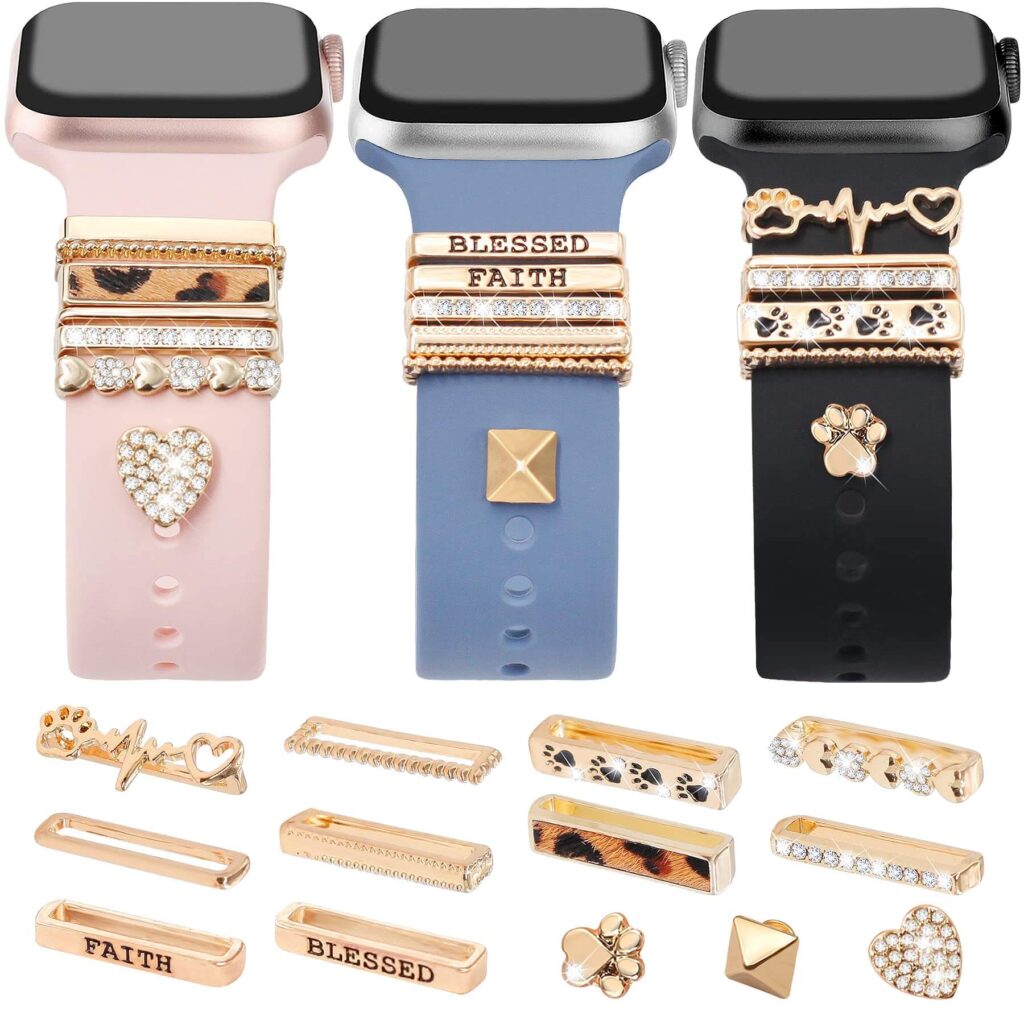
Choose the Right Products You Want to Sell
Best-Seller + Seasonal Product Mix
Keep your perennial bestsellers while adding products that cater to holiday needs, such as gifts, seasonal items, or trending items.
Data-Driven Decisions
Analyze historical sales data, Google Trends, and e-commerce market data to identify truly popular products.
Ensure Inventory and Pricing Stability
Confirm inventory and pricing with suppliers in advance for the products you want to sell to avoid stockouts or temporary price increases during peak seasons.

Customer Services: The Key to Improving the Customer Experience
You may not have direct control over warehousing and logistics, but you can fully control the communication experience with your customers. Excellent customer service not only solves problems but also helps you retain customers.
Pre-sales service: Respond quickly and build trust.
Set up an FAQ page, configure AI tools, and add human agents to ensure timely responses to customers’ queries, avoiding missed orders due to slow responses.
Post-sales service: Resolve problems and convert word-of-mouth.
A transparent return and exchange policy can make customers feel more secure when shopping during peak season, and real-time shipping updates provide peace of mind.
Maintain long-term relationships
Use email marketing, holiday greetings, and coupons to maintain customer relationships and encourage them to return after peak season.
Peak season presents both the greatest opportunity and the greatest challenge for dropshipping businesses. Review your dropshipping business now and fully prepare for the upcoming peak season to achieve a win-win for both sales and branding!