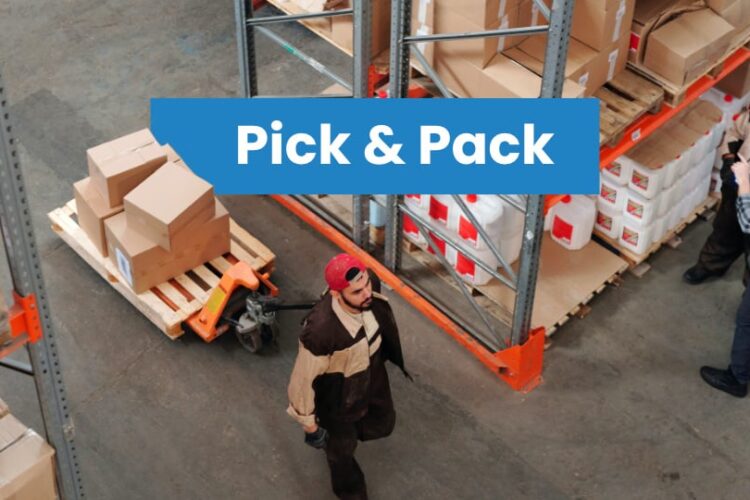

In today’s globalized and rapidly evolving world, warehousing and storage are no longer just spaces for storing goods; they are integral to a brand’s supply chain strategy. Whether for traditional retailers or other brands, efficient inventory management determines supply chain flexibility and customer experience.
What are warehouse housing and storage?
倉庫保管
A dynamic hub in the supply chain, warehouses process, store, and distribute products for businesses. This involves receiving, storing, handling, managing, and distributing goods.
These services typically involve long-term storage needs and ongoing sales, and provide logistics, inventory tracking, quality management, transportation, and fulfillment services.
Storage
The act of placing and keeping goods in a secure location for safekeeping, primarily focused on preserving items for a specific period.
In supply chain management, effective warehouse and storage planning is key to reducing logistics costs and improving delivery speeds.
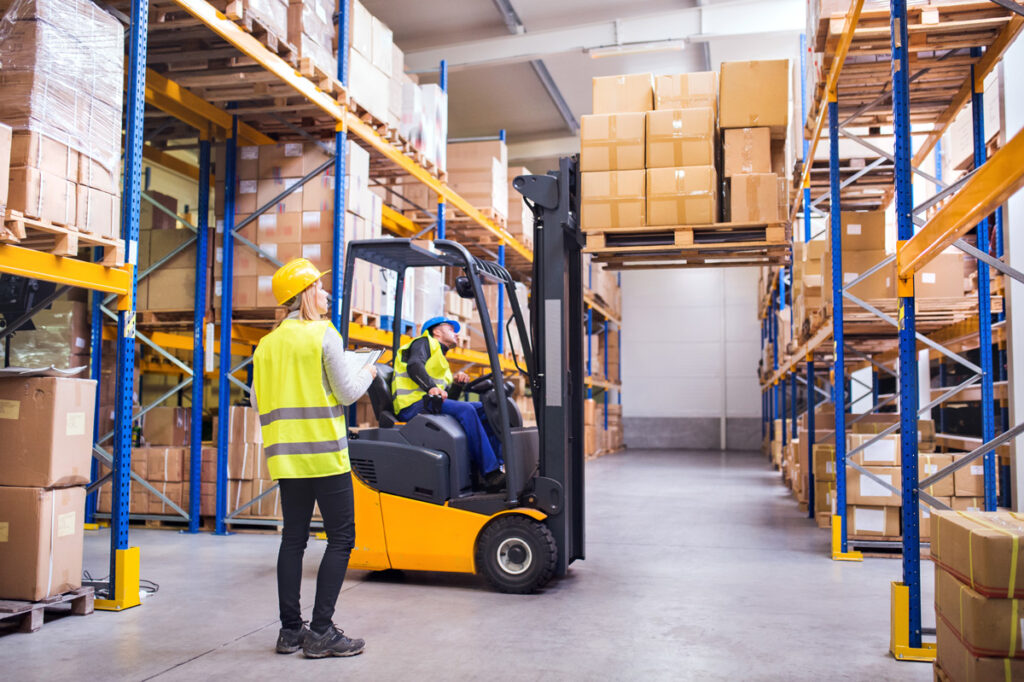
Why are warehouse housing and storage so crucial for brands?
Warehousing not only impacts delivery speed but also determines customer resale potential.
Improve order fulfillment speed
When warehousing centers are located close to target markets, shipping times can be significantly improved.
Reduce inventory risk
Flexible storage strategies can help prevent overstocking and stockouts.
Optimize the customer experience
An efficient warehousing system can reduce delays and improve customer satisfaction.
Partnering with a direct-to-consumer company with a robust warehousing network allows brands to quickly fulfill orders even during promotional seasons, thanks to a comprehensive warehousing system, thereby preventing customer churn.
How to choose the right storage solutions
Short-term storage
Ideal for seasonal products or promotional events, such as limited-edition holiday releases.
Long-term storage
Suitable for evergreen products, bestsellers, or items with excess inventory.
When choosing a storage solution, consider the following key factors:
Cost
Storage costs are directly related to warehouse location.
Flexibility
Whether inventory levels can be adjusted based on market fluctuations.
Location
Is the warehouse reasonably close to target markets?
Inventory visibility
Whether it supports real-time tracking and management, enabling brands to make quick decisions.
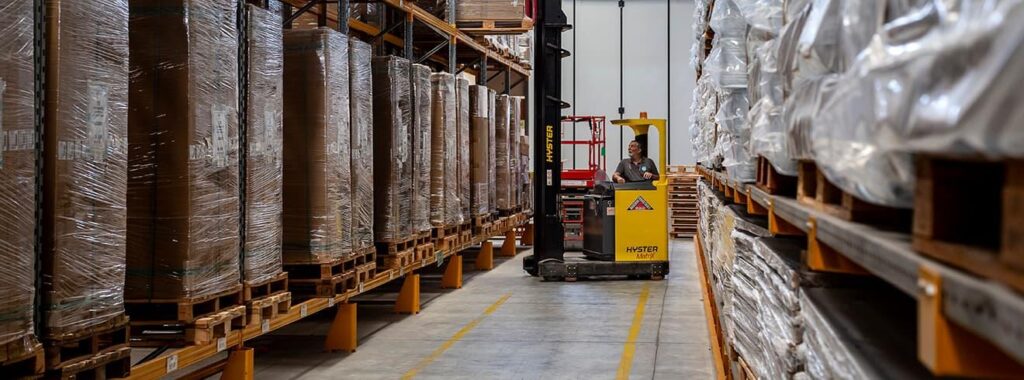
How warehousing improves supply chain efficiency.
Centralized product management
Avoids scattered inventory and improves dispatch efficiency.
Inventory traceability and optimization
Using systems to monitor inventory in real time reduces out-of-stocks and overstocks.
Reduced transportation costs
A well-designed warehouse layout can shorten transportation distances and reduce costs.
Key factors in choosing the right warehousing and storage partner
Geographic location
The warehouse should be close to major consumer markets to shorten delivery times.
Technical integration
Whether it can seamlessly integrate with e-commerce platforms or order processing systems.
Flexibility and scalability
Whether it can support the brand’s future long-term storage needs.
Dropshipping compatibility
Whether it has the ability to quickly fulfill direct sales orders.
Cost transparency
Avoid hidden fees that put pressure on budgets.
Warehousing and storage play a strategic role in the supply chain. Through appropriate storage solutions, brands can not only improve inventory management efficiency but also enhance their market competitiveness.
For brands interested in partnering with direct-to-consumer companies, choosing the right warehousing and storage partner, such as Lamsonfulfill, can not only reduce costs but also enhance supply chain resilience and flexibility, laying a solid foundation for long-term growth.