Clothing dropshipping is gradually entering the global e-commerce industry as a low-cost, highly flexible business model. Especially in the fiercely competitive apparel market, many clothing businesses are looking for ways to reduce inventory pressure and quickly adapt to fashion trends.
This article will delve into how clothing dropshipping works from a seller’s perspective.
What is clothing dropshipping?
It’s a business model that eliminates the need for sellers to hold physical inventory. Sellers list their clothing products on e-commerce platforms or independent websites. When orders come in, suppliers or dropshipping companies ship the products directly to consumers.
Compared to traditional clothing businesses, this model offers the following advantages:
- No warehousing required: Sellers don’t need to stock up in advance;
- Low risk: Avoid losses caused by overstocked inventory and outdated trends;
- Quickly launch new products: Follow trends almost instantly.
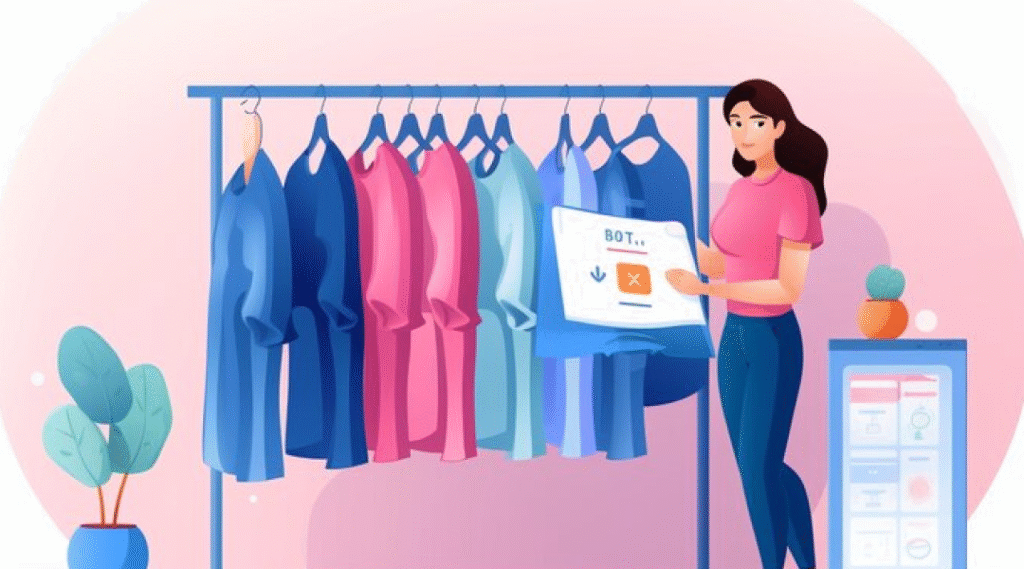
Advantages of clothing dropshipping:
Low barrier to entry
Whether you’re a new or established seller, there’s no need to invest heavily in sourcing and warehousing, allowing you to focus solely on marketing and building your store.
Diversified product categories
Whether it’s sportswear, casual wear, or niche items, dropshipping allows you to quickly test-drive and identify best-selling items.
Reduced inventory risk
Traditional clothing businesses often face the risk of overstocking, but the dropshipping model effectively avoids this issue.
Quickly follow trends
Once a piece of clothing goes viral on social media, sellers can immediately connect with suppliers and merchants to seize market opportunities and create a time advantage.

Potential challenges and solutions
Supply chain dependence
- Delays in supplier shipments can negatively impact the customer experience;
- Partnering with multiple dropshipping companies ensures a stable supply.
Returns and logistics issues
- Inappropriate sizing and shipping delays can increase return rates.
- Provide detailed size charts and optimize logistics tracking systems.
Intense market competition
- The clothing market has a low barrier to entry and a large number of sellers.
- Avoid price wars through brand positioning and differentiation strategies.
Low profit margins
- In the dropshipping model, profit margins on individual items are often limited.
- Use brand premiums, upsells, and bundles to increase overall profits.
How to profit from clothing dropshipping?
Choose the right niche market
Например, sustainable apparel, athleisure wear, maternity wear, and niche streetwear. Niche markets can help sellers precisely target their audience and avoid blind competition.
Optimize product pricing strategies
A reasonable selling price equals cost + profit margin + competitor analysis. Add a reasonable premium and leverage brand value to support the price.
Build brand value
A clothing business focused on environmental sustainability can enhance user trust through brand storytelling and green packaging.

Clothing dropshipping is more than just an e-commerce model; it’s a strategic option that helps brands enter the market with low risk and achieve rapid profitability.
For clothing businesses looking to stand out in the competitive apparel industry, dropshipping offers attractive opportunities:
- No inventory burden;
- Quickly adapt to fashion trends;
- Achieving profitability through brand value and marketing strategies.
For the next few years, clothing dropshipping will continue to be a key way for clothing brands to expand their online presence. Now is the perfect time for brands to re-evaluate their business models and embrace the opportunities of direct sales.